
Roofing cleanup
Choosing a dumpster for a roofing project
Plan container size, placement and loading for shingles and other roofing debris before work begins.
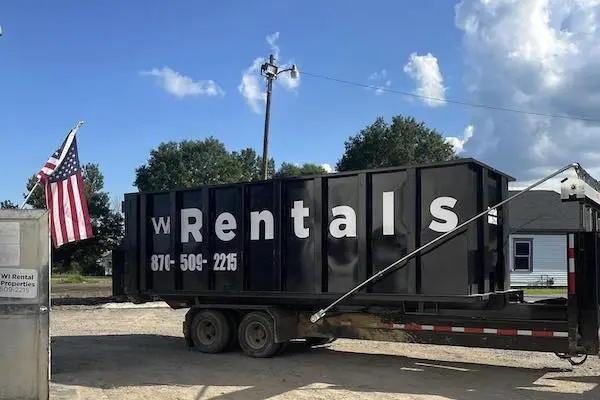
A dumpster can keep a roofing project organized, but shingle loads require planning because roofing debris can be dense and heavy. The appropriate container depends on roof area, material type, number of layers and disposal limits.
Why roof size alone is not enough
The same roof area can produce different load weights depending on whether the project involves asphalt shingles, underlayment, decking, flashing or multiple existing layers. Tell WI Rentals what is being removed rather than estimating from square footage alone.
Common container choices
Roofing projects often use a 20 or 30 yard dumpster, but that is not a universal rule. A smaller or larger container may be more practical after considering debris weight, placement room and project scope. Call before ordering so we can review the job details.
Place the container for safe, efficient cleanup
A practical location can reduce the distance crews carry debris while keeping the truck’s approach clear. Consider roof access, driveway use, landscaping, overhead lines and the ability to retrieve the loaded container after work is complete.
Details to provide when calling
- Roofing material being removed
- Approximate roof size and number of layers
- Whether decking or additional construction material is included
- Delivery address and proposed placement area
- Expected project start and completion timing
Load roofing debris evenly
Spread material throughout the container rather than creating one concentrated pile. Do not load above the allowed fill line, and keep prohibited materials out. Heavy loads and mixed debris should always be discussed in advance.
Before delivery, review our dumpster delivery space requirements and container size guide.
Need help with your project?
Talk with WI Rentals
Call with the material, project location and timing so we can discuss a practical service option.